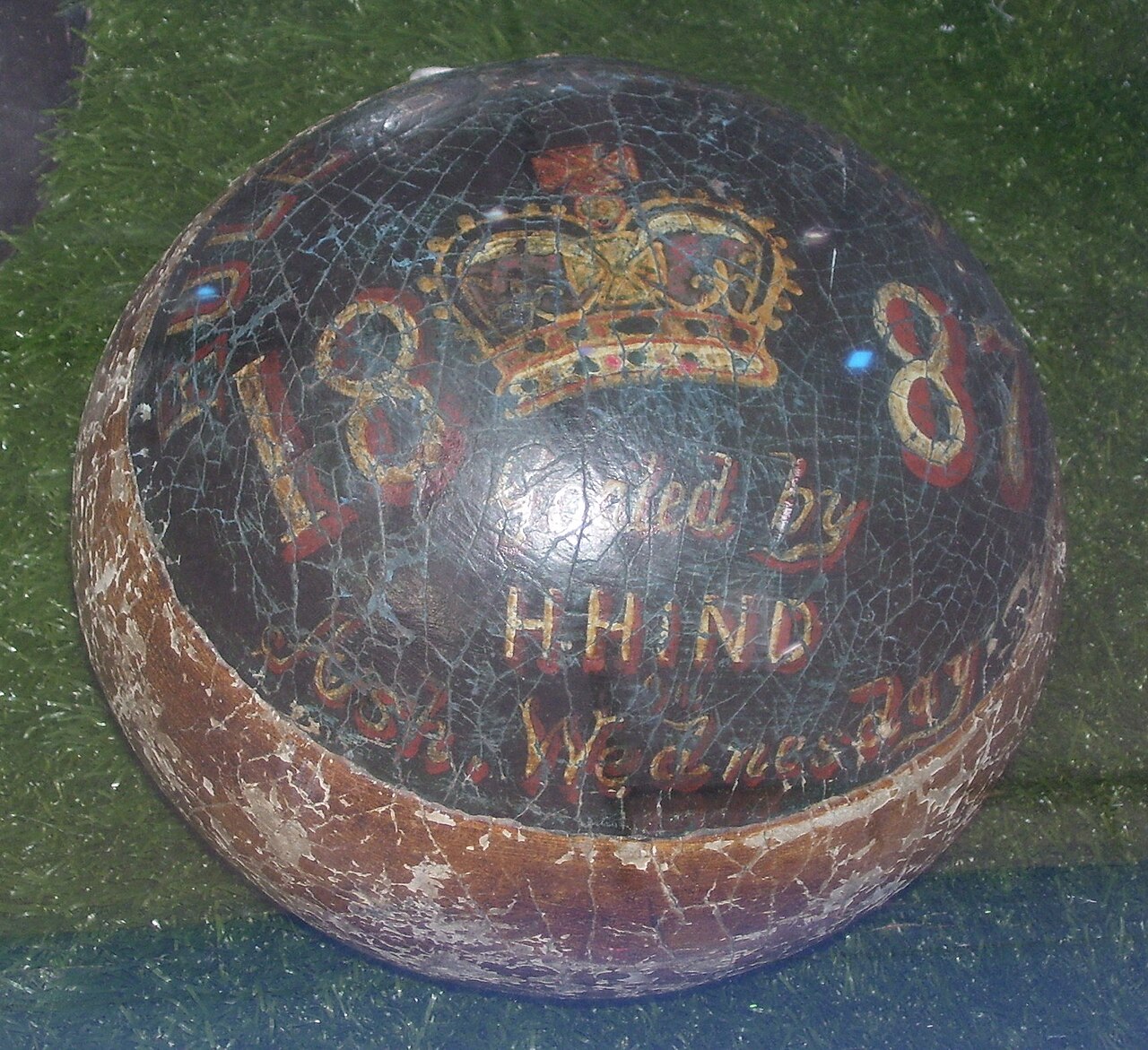
Every year, as Shrove Tuesday dawns, a quiet Derbyshire market town transforms into the heart of one of England's most unique and ancient spectacles. Ashbourne, nestled in the picturesque Peak District, becomes the battleground for Royal Shrovetide Football – a magnificent, chaotic, and utterly compelling event often dubbed England's last surviving form of mob football. This isn't your typical Sunday league match; it's an enduring tradition, a test of will, strength, and community spirit that harks back centuries, captivating locals and drawing curious onlookers from far and wide.
Ashbourne's Royal Shrovetide: A Living Legend of English Football
The air in Ashbourne crackles with anticipation as the clock ticks towards 2 p.m. on Shrove Tuesday and Ash Wednesday. For these two days, the streets, fields, and even the River Henmore become the pitch for an epic struggle that defines the town's identity. Shrovetide Football is more than just a game; it's a living piece of history, a communal ritual where hundreds of participants, young and old, unite or contend in a raw display of athleticism and local pride.
With origins tracing back to at least the 17th century – documented references place its existence as early as 1667 and explicitly in 1683 – this ancient ball game predates codified football as we know it by centuries. It embodies the essence of early folk football, a time when communal contests marked significant calendar points, particularly the onset of Lent. The name itself, "Royal Shrovetide Football," attests to its enduring legacy and periods of distinguished patronage, such as the memorable occasion when Prince Charles himself turned up the ball in 2003, further cementing its unique place in English heritage.
What Exactly is Shrovetide Football?
At its core, Royal Shrovetide Football is a colossal game of two halves, played over two days. The entire town of Ashbourne participates, divided into two ancestral teams:
- The Up'ards: Those born north of the River Henmore, who aim to score at the Sturston Mill, three miles to the north.
- The Down'ards: Those born south of the River Henmore, whose objective is to reach the Clifton Mill, three miles to the south.
The game kicks off each afternoon at 2 p.m. from a central plinth in Shaw Croft, with a specially decorated, hand-stitched, cork-filled leather ball. This isn't a simple kick-off; it's the "turn-up," a ceremonial event performed by a local dignitary or, on special occasions, a member of the Royal Family. The ball, a cherished trophy for the scorer, is robust, designed to withstand hours of intense play, often passed down through generations as a family heirloom.
Rules? More Like Guidelines: The Unique Spirit of Play
In an era of highly regulated sports, the appeal of Shrovetide Football lies in its wonderfully anarchic nature. The "rules" are famously minimal, often encapsulated by the saying: "No murder, no manslaughter, no play in churchyards or cemeteries." Beyond these fundamental safety constraints and respecting sacred ground, almost anything goes. Participants can kick, carry, or throw the ball, moving it through streets, fields, and even rivers. The game is a fluid, ever-shifting scrum, a 'hug' as it's known locally, where hundreds of bodies push, pull, and strategize to advance the ball towards their distant goal.
To score a goal, a team must strike the ball three times against a stone mill marker at their respective goalpost. Once a goal is scored, a new ball is introduced for the opposing side to respond, adding another layer of tradition to the event. The play continues until 10 p.m. each day, or earlier if a goal is scored decisively. The sheer endurance required, coupled with local knowledge, cunning, and an element of deception, makes victory a hard-won triumph, celebrated with unparalleled passion.
Tracing the Roots: From Medieval Chaos to Royal Recognition
The lineage of Royal Shrovetide Football is firmly rooted in the widespread medieval tradition of mob football or folk football. These were communal ball games, often unregulated and incredibly rough, played across towns and villages throughout England. They typically involved entire communities vying to move a ball towards distant landmarks, serving as boisterous pre-Lent celebrations – a final burst of revelry and physical exertion before the austerity of the Lenten fast. To delve deeper into its evolution, consider reading about From Medieval Mob to Royal Tradition: The Shrovetide Story.
While specific pagan origins remain a subject of historical debate, it's clear these festivals likely evolved from older seasonal rites associated with fertility and spring renewal, gradually incorporating Christian elements related to Shrovetide (or 'shriving' – confession and absolution before Lent). Ashbourne's game is a direct descendant, a remarkably preserved snapshot of these ancient customs, retaining much of its original, unstructured intensity.
The "Royal" Stamp: A Mark of Enduring Heritage
The 'Royal' prefix isn't merely decorative; it signifies historical endorsement and patronage. Instances like the gifting of a specially embroidered ball to Princess Mary in 1922, and the aforementioned Prince Charles turning up the ball, have cemented the game's prestigious standing. This royal connection elevates Shrovetide Football beyond a mere local pastime, recognizing it as a significant cultural heritage event. It underscores the profound value placed on maintaining traditions that connect communities to their past, fostering a unique sense of identity and continuity in a rapidly changing world.
Experiencing the Frenzy: Tips for Spectators and Would-Be Participants
Attending Royal Shrovetide Football is an unforgettable experience, whether you're a seasoned participant or a curious first-time spectator. It's a vibrant, dynamic event that demands respect for its traditions and an understanding of its unique flow.
For Spectators: Witnessing History Unfold
- Arrive Early: To soak in the atmosphere and secure a good viewing spot, especially around the plinth for the 2 p.m. turn-up, arrive well in advance.
- Stay Alert: The ball can move swiftly and unexpectedly. Keep an eye on the action, especially if you're close to the 'hug'.
- Dress for All Weathers: Being an outdoor event in early spring, be prepared for anything – rain, cold, mud. Sturdy footwear is a must.
- Respect Local Property: The game moves through the town. Be mindful of shops, houses, and private property. Many shopkeepers board up their windows in preparation.
- Observe from a Distance: Unless you intend to join the fray, it's safer and often more enjoyable to watch from a slight distance, allowing the participants space.
- Embrace the Chaos: Part of the charm is the unpredictable nature. Don't expect a clear pitch or strict boundaries.
For the Brave: Understanding the "Mob" Mentality
If you're considering joining the 'hug', be prepared:
- It's Physically Demanding: This is a full-contact sport requiring immense stamina and strength. Injuries, though rarely severe, can happen.
- Local Knowledge is Key: Understanding the terrain, local strategies, and the movement of the ball within the 'hug' is crucial. Many participants have played for generations.
- Teamwork Within the Chaos: While it looks like an unorganised scrum, there's often coordinated effort within the 'hug' to move the ball.
- Wear Appropriate Gear: Old clothes, sturdy boots (preferably waterproof), and minimal valuables are advisable.
- Know Your Limits: There's no shame in stepping out of the 'hug' if it becomes too intense.
Beyond the game itself, Ashbourne during Shrovetide offers a truly unique cultural immersion. Local pubs become hubs of celebration, camaraderie, and strategy discussions. The entire town breathes the game, and even if you don't participate directly, the atmosphere is infectious. It’s a testament to communal identity, where rivalry coexists with a profound sense of shared heritage.
Conclusion: A Timeless Tradition in a Modern World
Royal Shrovetide Football is far more than just an ancient ball game; it's a vibrant, living testament to community spirit, local history, and an enduring defiance of modern sporting conventions. It provides a fascinating window into England's medieval past, showcasing how communal athletic contests once shaped social life. In an age where traditions often fade, Ashbourne's commitment to its magnificent, chaotic, and unique Shrovetide Football ensures that this extraordinary piece of English heritage continues to thrive, captivating hearts and minds year after year.