From Medieval Mob to Royal Tradition: The Shrovetide Football Story
As the chill of winter begins to recede and the days lengthen, a unique and ancient spectacle awakens the quiet Derbyshire town of Ashbourne. It's that time of year again when centuries of tradition erupt onto the streets, transforming the serene landscape into a sprawling, frenetic battleground for Royal Shrovetide Football. Far from a mere game, this event is a profound connection to England's medieval past, a raw demonstration of community spirit, and a cherished ritual that has defied the march of time. If you've ever wondered about the origins of folk sports or the sheer tenacity of local traditions, the story of Shrovetide Football offers a captivating answer.
What is Royal Shrovetide Football? A Game Like No Other
Imagine a ball game with no formal pitch, goalposts three miles apart, and hundreds, sometimes thousands, of participants – that's a glimpse into the chaotic majesty of Royal Shrovetide Football. Played annually over two days, Shrove Tuesday and Ash Wednesday, this ancient custom sees the entire town of Ashbourne become an open-air arena. The game officially kicks off each afternoon at 2 p.m. from a central plinth in Shaw Croft, the ball "turned up" (thrown into the crowd) by a local dignitary or celebrity.
The rules are notoriously minimal, adding to the game's legendary allure. Participants are broadly divided into two teams: the
Up'ards, those born north of the meandering River Henmore that bisects Ashbourne, and the
Down'ards, those born south of it. Their objective? To propel a specially crafted, hand-stitched, cork-filled leather ball towards one of two goalposts located three miles apart – an old water mill wheel in Clifton for the Up'ards and a similar wheel in Sturston for the Down'ards. Players can kick, carry, or throw the ball, using any means necessary, provided they adhere to a few vital prohibitions: no murder, no manslaughter, and no play within churchyards or cemeteries. Beyond these foundational rules, the field is open, encouraging a fascinating blend of brute force, cunning strategy, and sheer endurance.
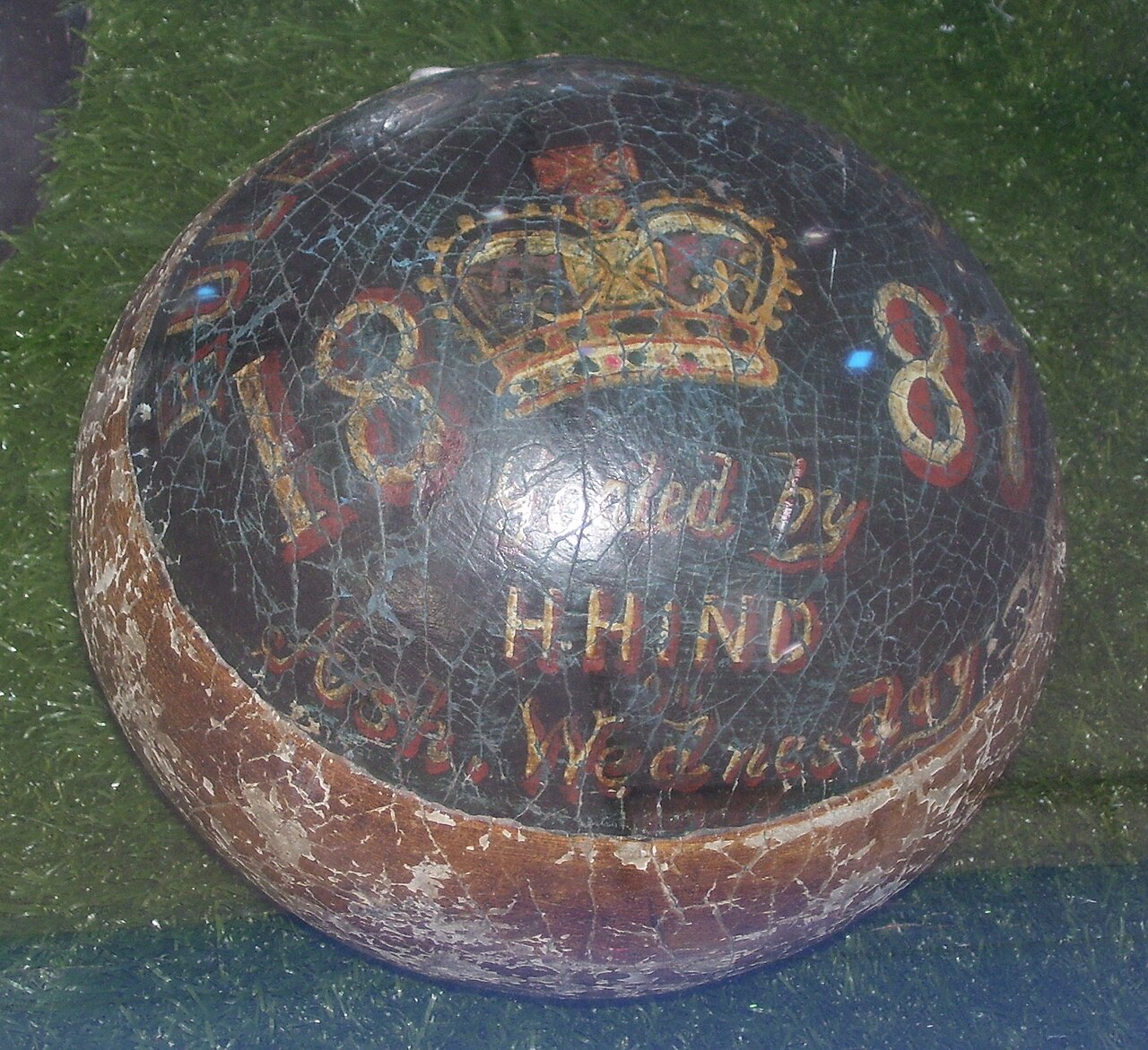
The game lasts for eight hours, until 10 p.m., or until a goal is scored. A goal, known as a "hug," is achieved when a team successfully strikes the ball three times against their designated stone mill marker. Following a score, a new ball is introduced for the opposing side to respond, ensuring the excitement continues. The immense pride of scoring a goal is palpable; the individual who achieves it gets to keep the unique, hand-painted ball as a prized family heirloom, often passed down through generations. This deep personal connection to the game elevates its significance far beyond a simple sporting contest. For a deeper dive into the mechanics and regulations, explore our article on
Royal Shrovetide Football: History, Rules, & Ashbourne's Ancient Game.
A Journey Through Time: The Ancient Roots of Shrovetide Football
The origins of Royal Shrovetide Football are steeped in mystery, tracing back to at least the 17th century, with documented references as early as 1667 and 1683. Yet, its true lineage extends much further, deep into the medieval traditions of "mob football" or "folk football" prevalent across England. These chaotic, unstructured communal ball games were a common sight during the Middle Ages, often played between entire villages or towns. With minimal rules and an emphasis on collective effort, these contests involved vast scrums of people vying to carry or kick a sturdy leather ball – frequently stuffed with wool or hay – towards distant landmarks like church doors or boundary trees.
Shrovetide, the period immediately preceding Lent, was a particularly popular time for these boisterous gatherings. Historically, Shrovetide was a time of feasting, revelry, and confession (shriving) before the austerity and fasting of the Lenten period began. The communal football games served as a cathartic release, a final burst of joyous anarchy before a period of solemnity. While direct pagan origins are speculative, it's plausible that these festivals evolved from earlier seasonal rites tied to fertility and spring renewal, gradually incorporating Christian elements over time. Ashbourne's Shrovetide, therefore, is not merely an isolated oddity but a direct, living descendant of this fascinating cultural heritage, an echo of ancient community life.
The "Royal" designation, too, is a testament to its enduring legacy. It gained this prefix through royal patronage over the centuries, notably with the gifting of a ball to Princess Mary in 1922 and the participation of Prince Charles (now King Charles III) who "turned up" the ball in 2003. This royal endorsement further cements its status as a truly unique and nationally recognized tradition. Indeed, Ashbourne's Royal Shrovetide stands as one of
England's Last Surviving Mob Football games, a cultural anchor in a rapidly changing world.
The Unwritten Code: Strategy, Community, and the Thrill of the Chase
Despite its seemingly anarchic nature, Royal Shrovetide Football is far from mindless chaos. It’s a sophisticated, albeit informal, display of local cunning, physical endurance, and deep-seated community bonds. Within the sprawling "hug" – the dense mass of players surrounding the ball – intricate strategies unfold. Local knowledge is paramount; knowing the shortcuts, the terrain's nuances, and the optimal routes through the town's winding streets can mean the difference between victory and defeat. Deception is a key tool, with players often feigning interest in one direction to create an opening in another.
The game is a powerful symbol of town identity and friendly rivalry. The division between Up'ards and Down'ards fosters an intense, yet usually good-natured, competition that transcends generations. Families rally behind their respective sides, and the game becomes a focal point for communal celebration and pride. It's a testament to participation over professionalism; no formal teams or equipment are required beyond personal resolve and a willingness to get stuck in. This ethos of inclusive participation stands in stark contrast to the highly regulated, commercialized sports of today, reminding us of a time when games were purely for the joy of playing and the strength of community.
The unique intensity of Shrovetide Football fosters a remarkable sense of camaraderie among participants, even amidst the fierce competition. It's a shared experience that forges unbreakable bonds and creates lifelong memories. The sheer physical and mental challenge of navigating the "hug" for hours, pushing and pulling, requires immense stamina and a collective will. When a goal is finally scored, the eruption of cheers and the feeling of shared accomplishment are akin to Olympic triumphs for the local heroes.
Experiencing Shrovetide: Tips for Spectators and Aspiring Participants
For those considering experiencing Royal Shrovetide Football, whether as a spectator or an intrepid participant, preparation is key.
Tips for Spectators:
- Dress Appropriately: Ashbourne in late February/early March can be cold and wet. Wear warm, waterproof clothing and sturdy footwear.
- Stay Aware: The ball can move quickly and unpredictably. Always be alert to its location and the direction of the "hug." Keep a safe distance, especially from the main scrum.
- Choose Your Vantage Point: Elevated positions or areas on the periphery of the action offer safer viewing. Be respectful of private property.
- Respect the Town: Remember this is a local tradition in a residential town. Respect businesses, homes, and private spaces.
- Embrace the Atmosphere: It's a loud, lively, and energetic event. Soak it all in! The pubs will be buzzing, and the local community is usually very welcoming.
Tips for Aspiring Participants:
- Understand the Commitment: This is an eight-hour, highly physical game. It demands significant stamina, strength, and resilience.
- Join Safely: If you wish to participate, start by observing from the edges and gradually get a feel for the "hug." Don't dive straight into the thickest part of the scrum.
- Wear Old Clothes: Expect to get muddy, wet, and potentially have your clothes torn.
- Protect Yourself: Wear appropriate protective gear if you choose, but remember that the game is largely unregulated. Head injuries and other minor injuries are common.
- Know Your Side: Determine if you're an Up'ard or a Down'ard based on your birthplace relative to the River Henmore.
- Follow Local Etiquette: While there are minimal official rules, there's an unspoken code of conduct within the game. Listen to locals and experienced players.
The Royal Shrovetide Football game is more than just a ball game; it's a living piece of history, a vibrant celebration of community, and a powerful demonstration of human endurance and tradition. From its medieval mob football origins to its current royal designation, it remains a unique and cherished spectacle that continues to captivate those who witness its raw energy.
Conclusion
Royal Shrovetide Football stands as a magnificent testament to England's enduring cultural heritage, a tradition that elegantly bridges the gap between the medieval past and the present day. In an era dominated by formalized sports and digital entertainment, the raw, unscripted drama of Ashbourne's annual contest offers a compelling counter-narrative. It reminds us of the power of community, the thrill of unfettered competition, and the profound importance of preserving unique customs. For spectators and participants alike, Shrovetide Football is an unforgettable experience – a dive into a vibrant history that continues to play out with unparalleled passion on the streets of Ashbourne, year after year.