Royal Shrovetide Football: History, Rules, & Ashbourne's Ancient Game
Deep in the heart of Derbyshire, amidst the picturesque landscapes of the Peak District, lies Ashbourne – a quaint market town that, for two days each year, transforms into the epicentre of an ancient and exhilarating spectacle: Royal Shrovetide Football. Far from the manicured pitches and strict regulations of modern football, this isn't merely a game; it's a centuries-old tradition, a chaotic carnival of community spirit, raw athleticism, and unwavering local pride that captivates locals and draws curious spectators from afar. Dating back to at least the 17th century, this unique event embodies the very essence of England's folk football heritage, providing a living link to a bygone era of communal revelry.
What is Royal Shrovetide Football? Unpacking Ashbourne's Ancient Game
At its core, Royal Shrovetide Football is a traditional "mob football" game, played annually across Shrove Tuesday and Ash Wednesday. Unlike any conventional sport, the entire town of Ashbourne serves as the playing field, with hundreds of participants vying for control of a specially crafted leather ball. This isn't a game for the faint of heart; it's a relentless, physically demanding contest where strategy often gives way to brute force, endurance, and local cunning.
The participants, overwhelmingly local residents, are divided into two teams based on an ancient geographical split: the
Up'ards and the
Down'ards. The River Henmore, which meanders through Ashbourne, serves as the dividing line. Those born north of the river are Up'ards, striving to carry the ball north towards their goal, while those born south are Down'ards, pushing towards their southern goal. This simple, deeply ingrained local rivalry fuels the intensity, fostering generations of competitive spirit and camaraderie.
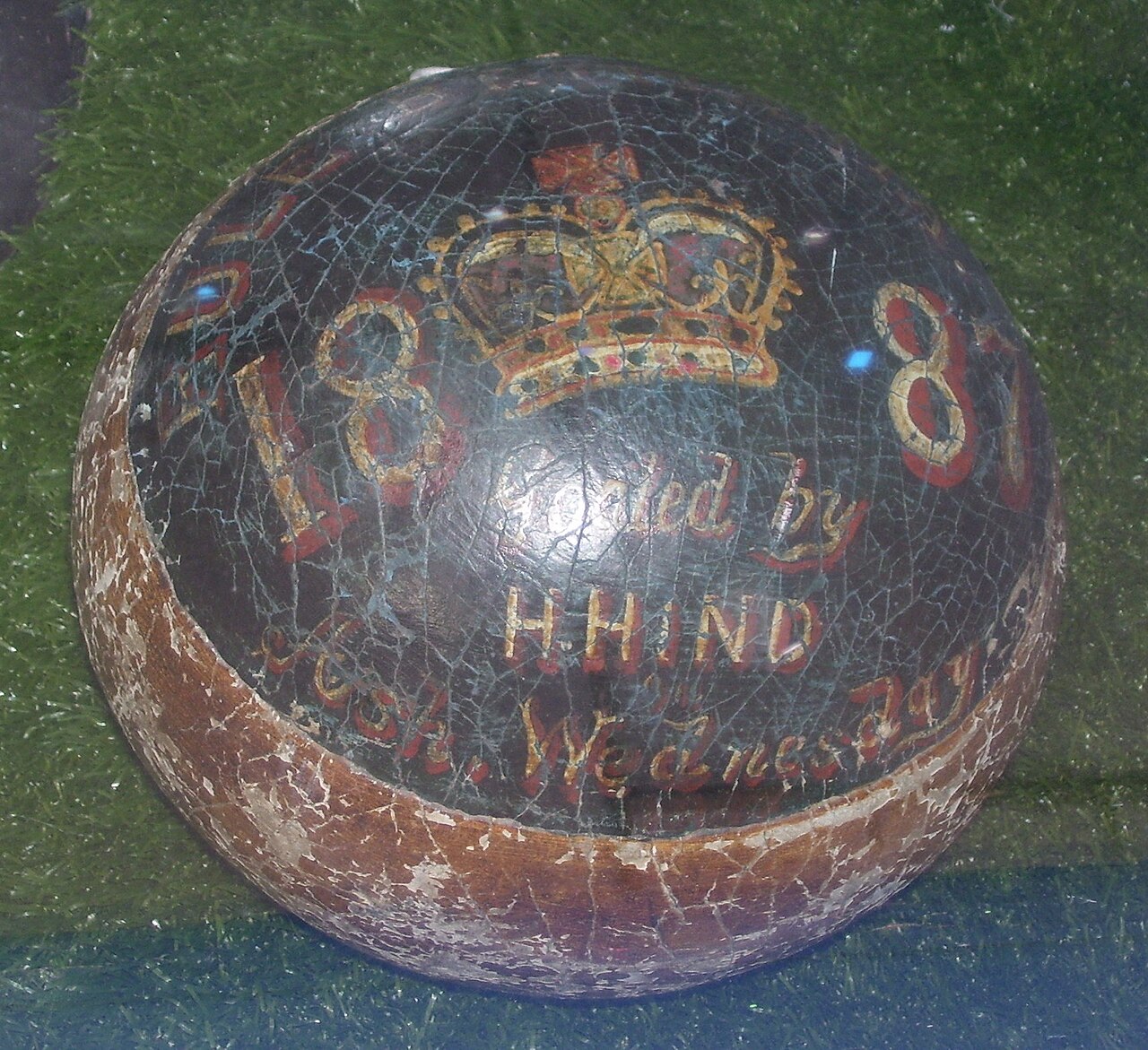
The game's distinctive ball is a sight to behold itself – a hand-stitched, cork-filled leather sphere, slightly larger than a standard football, beautifully painted with symbols and crests. These balls are highly prized, especially by those who manage to score, becoming cherished family heirlooms.
The Unconventional Rules and Epic Scale of Play
Forget offside rules, fouls, or designated playing areas. Royal Shrovetide Football operates on a wonderfully chaotic and surprisingly minimalist set of regulations. The official rulebook is famously succinct, prohibiting only murder, manslaughter, and play within churchyards or cemeteries. Beyond these fundamental boundaries, almost anything goes. Players can kick, carry, or throw the ball, often forming massive "hugs" – dense scrums of bodies pushing and heaving – through streets, fields, and even the shallow river.
The goals themselves are remarkable: two stone mill markers, located three miles apart, historically remnants of old mills. The Up'ards aim for Sturston Mill, and the Down'ards for Clifton Mill. The game begins each afternoon at 2 p.m. from a central plinth in Shaw Croft, where a dignitary "turns up" the ball, releasing it into the eager crowd. From this moment, for eight grueling hours until 10 p.m. (or earlier if a goal is scored), Ashbourne becomes a temporary, exhilarating no-rules zone.
Scoring a goal, known as "going down," is an arduous task. It requires a team to strike the ball against their respective goalpost three times. This achievement is not just a point; it’s a moment of immense glory for the individual who makes the final strike. That scorer then retains the ball as a personal trophy, a tangible symbol of their prowess and contribution to their team's triumph. If a goal is scored, a new ball is introduced for the opposing side to respond, ensuring the excitement continues. The game demands immense stamina, strategic deception, and intimate knowledge of Ashbourne's labyrinthine streets and hidden alleys, making local cunning as vital as physical strength.
Tracing the Roots: From Medieval Chaos to Royal Patronage
The origins of Royal Shrovetide Football are as murky and ancient as the game itself, tracing back to the medieval tradition of "mob football." These chaotic, largely unstructured communal ball games were prevalent across England during the Middle Ages, often played between entire villages or parishes. They served as rowdy pre-Lent celebrations, blending feasting, confession, and communal revelry to mark the end of excess before the austerity of fasting. Ashbourne's specific traditions are documented as far back as 1667, with other references appearing in 1683, solidifying its status as one of England's longest-running sporting events. To delve deeper into this fascinating evolution, explore
From Medieval Mob to Royal Tradition: The Shrovetide Story.
The "Royal" designation, which elevates Ashbourne's game above other folk traditions, came through a series of esteemed patrons. Notable instances include the gifting of a ball to Princess Mary in 1922 and Prince Charles (now King Charles III) turning up the ball in 2003. This royal patronage not only bestowed a prestigious title but also helped to safeguard and celebrate this unique cultural heritage. As one of the few surviving examples of England's ancient street football traditions, Ashbourne's Royal Shrovetide stands as a testament to the enduring power of community, history, and a good old-fashioned scrum. For more on its status as one of the last of its kind, read
Ashbourne's Royal Shrovetide: England's Last Surviving Mob Football.
Experiencing Shrovetide: A Spectator's Guide & Participant's Ethos
For spectators, experiencing Royal Shrovetide Football is an unforgettable adventure, but one that requires a degree of caution and common sense. This is not a passive viewing experience. The game moves through streets, fields, and streams, and the "hug" can suddenly surge through tight spaces.
Tips for Spectators:
- Dress Appropriately: Expect mud, rain, and possibly jostling. Wear sturdy footwear, waterproofs, and old clothes.
- Stay Alert and Aware: The ball can appear anywhere, and the crowd can move rapidly. Maintain a safe distance from the main "hug." Higher vantage points, like upper floors of pubs or shops (if permitted), offer better views.
- Protect Valuables: Keep phones, wallets, and cameras securely stowed.
- Respect the Locals: This is their tradition. Understand that while visitors are welcome, the game is first and foremost for the community.
- Embrace the Chaos: Part of the charm is the unpredictable nature. Don't expect to see every moment of play; instead, soak in the atmosphere and the incredible energy.
For the participants, the ethos of Royal Shrovetide Football is rooted deeply in community and participation rather than professionalism. There are no formal teams, no professional training, and no special equipment beyond personal resolve. It’s an opportunity for locals to represent their birthright – to be an Up'ard or a Down'ard – and contribute to a legacy passed down through generations. The honor of scoring a goal is akin to an Olympic triumph for local heroes, creating tales that are recounted for years within families and pubs. It's a blend of camaraderie and fierce competition, where deception, endurance, and an intimate knowledge of Ashbourne's nooks and crannies are key to victory. More than a sport, it's a profound cultural statement, a celebration of identity, resilience, and belonging.
Conclusion
Royal Shrovetide Football is a magnificent, bewildering, and utterly captivating spectacle. It defies modern sporting conventions, standing as a rugged monument to England's ancient past and the enduring strength of local traditions. For two days each year, Ashbourne strips away the veneer of modernity, inviting both participants and onlookers to immerse themselves in a visceral, communal experience that blends history, sport, and unbridled passion. It's a testament to the human spirit's desire for connection, competition, and celebration – a truly royal, truly unique, and truly unforgettable event that continues to thrive against all odds.